
CES 2026 AI Overload | Do We Really Need AI in Everything?
GENERAL
1/14/20264 min read
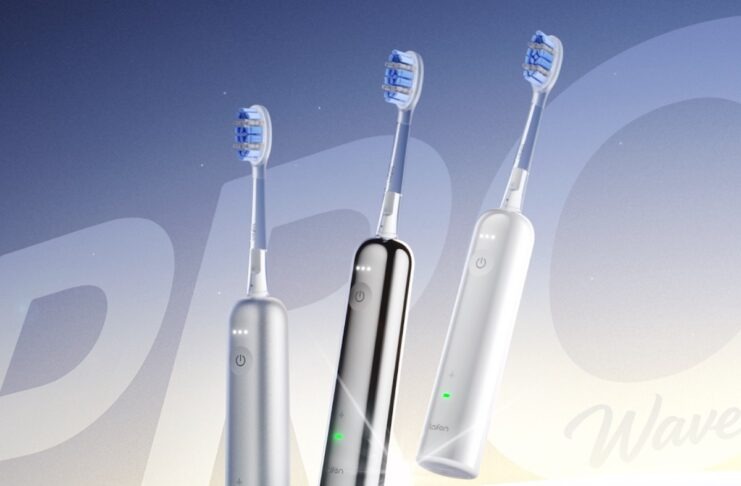
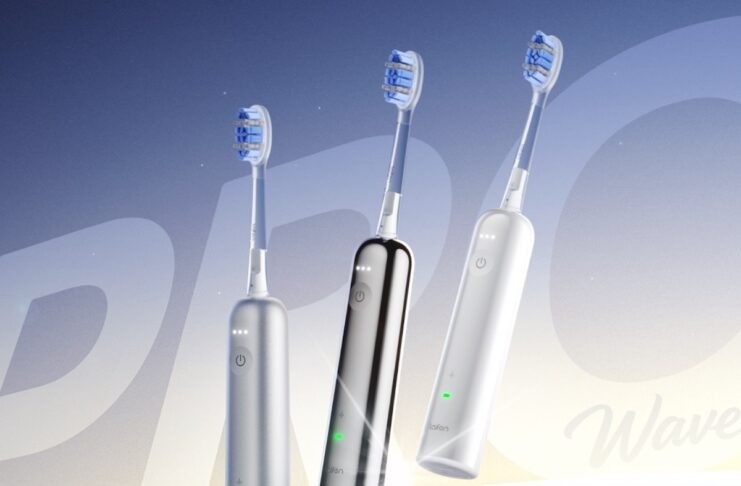
Does Your Toothbrush Really Need AI?
Walking the show floor at CES 2026, you couldn't escape AI. It was in laptops, obviously. Phones, sure. TVs, makes sense. But also toothbrushes, coffee makers, toilet seats, and even a smart lamp from IKEA. At some point, you have to ask: does everything really need AI?
Industry observers are starting to wonder the same thing. Forbes noted that while AI was the dominant theme at CES 2026, it's "raising some eyebrows" among tech analysts who question whether consumers actually want—or benefit from—AI embedded in every device they own.
The New York Times put it more bluntly in their CES wrap-up: "The Tech That Will Invade Our Lives in 2026." Not enhance. Not improve. Invade.
The AI Everything Problem:
Here's what's happening: Tech companies are under enormous pressure to show they're not falling behind in AI. So they're cramming AI features into products whether those features solve real problems or not.
Take the AI toothbrush. It uses sensors and machine learning to analyze your brushing patterns and give you feedback on your technique. Sounds useful, right? Except most people already know they should brush for two minutes and reach the back teeth. The toothbrush is solving a problem that doesn't really exist for most users.
Or consider AI-powered refrigerators that can identify what's inside and suggest recipes. Great in theory, until you realize you now need to grant your refrigerator internet access, create an account, accept terms of service, and potentially share data about your eating habits with who knows how many third parties. All to avoid manually checking what's in your fridge.
When AI Actually Helps:
To be fair, some AI integrations at CES 2026 looked genuinely useful:
Laptops that optimize performance based on your actual usage patterns
Cameras that can shoot 7K video and automatically track subjects
Cars with advanced driver assistance that reduces accident risk
Translation earbuds that work in real-time for travelers
Medical devices that can detect health issues earlier than traditional methods
These solve real problems or meaningfully improve existing solutions.
When AI Feels Forced:
But then there's:
Smart mirrors that analyze your skin and recommend products (which conveniently are sold by the mirror maker's partners)
AI pet bowls that... honestly we're not sure what problem they solve
Coffee makers that use AI to predict when you want coffee (based on... past coffee consumption patterns? So they learn you drink coffee every morning and then remind you to drink coffee every morning?)
Voice assistants in your car's cup holder, your bathroom mirror, your doorbell, and apparently everywhere else
The Privacy and Security Question:
Every AI device is a potential security vulnerability. Each one needs internet access, each one collects data, and each one is another attack vector for hackers.
Do you really want your toothbrush connected to the internet? What happens when the manufacturer stops supporting it and security updates end? Are you going to throw away a perfectly functional toothbrush because it's no longer getting software patches?
The Sustainability Issue:
AI features require more powerful processors and more memory, which means more energy consumption and more electronic waste when devices become obsolete faster. CES 2026 featured some innovation in sustainable batteries (Flint Labs showed paper batteries that could reduce battery waste), but the overall trend is toward devices that use more resources and have shorter lifespans.
The User Experience Problem:
There's a weird paradox happening: devices are getting "smarter," but using them is getting more complicated. You need apps for everything, accounts for everything, and most people just want their stuff to work without managing 47 different IoT devices through 23 different apps.
Samsung's own survey found that most users don't even realize they're using AI features. Is that because the AI is so seamlessly integrated it's invisible? Or is it because the AI features don't actually change the user experience in meaningful ways?
What Consumers Actually Want:
Based on CES floor traffic and analyst reports, consumers seem most interested in:
AI that saves them time on genuinely tedious tasks
AI that works without requiring setup, accounts, or maintenance
AI that doesn't compromise privacy or security
AI that doesn't significantly increase cost
AI in devices they already use, not new device categories
Most of the AI gadgets at CES 2026 failed at least three of those criteria.
The Industry Perspective:
Manufacturers argue they're innovating and letting the market decide what's useful. Fair point. But there's also pressure from investors who want to see AI integration across product lines, even if that integration doesn't make sense.
As one CES exhibitor told us off the record: "We added AI features because if we didn't, investors would think we're falling behind. Whether customers use those features is a different question."
The Bottom Line:
AI is a powerful tool that can genuinely improve many products and services. But CES 2026 showed that the tech industry hasn't figured out where AI adds real value versus where it's just a marketing buzzword.
For consumers, the smart approach might be to ignore the "AI-powered" label entirely and just ask: Does this product solve a problem I have? Does it do it better than alternatives? Is it worth the extra cost, complexity, and potential privacy concerns?
If the answer to those questions is yes, buy it—AI or not. If the answer is no, the fact that it has AI doesn't change that.
Your toothbrush probably doesn't need to be smart. It just needs to brush your teeth.